
Project Summary
Identified and eliminated the root cause of DCU thermal incidents – preventing overheating, smoke release and door operation failures.
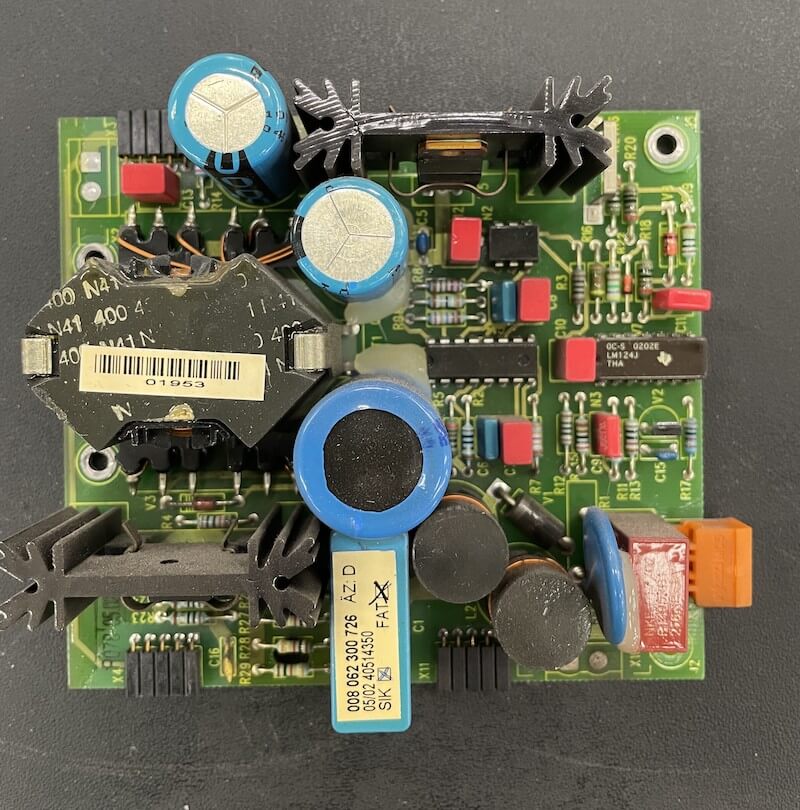
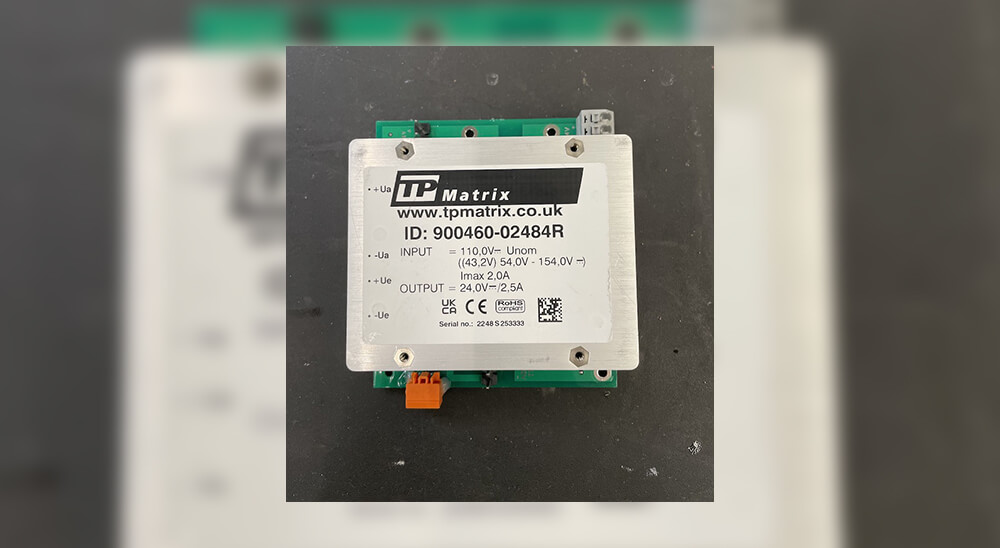
Designed and deployed a new power supply unit (PSU) – that improved thermal performance, communication stability and overall system reliability.
Successfully overhauled more than 3,000 DCUs – enhancing passenger safety and reducing service disruptions across the fleet.
Background
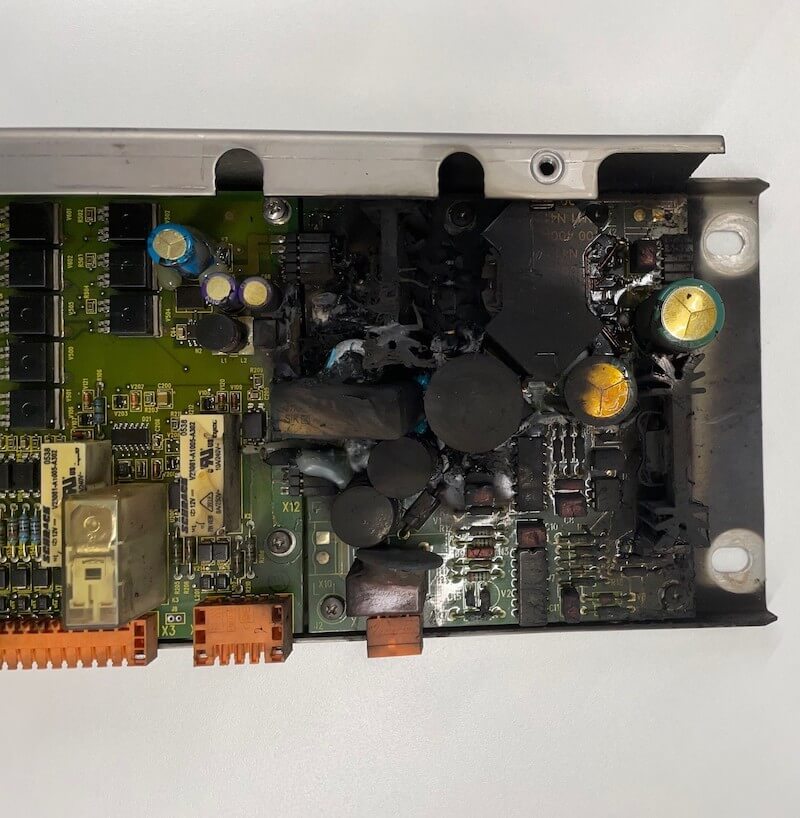
TP Matrix were contracted by a major train manufacturer to investigate and address a series of concerning incidents involving Door Control Units (DCUs) installed in their trains. These DCUs were experiencing numerous thermal incidents during operation that resulted in loss of door operation and the release of smoke into the door vestibule areas.
Additionally, it was discovered that the same faulty components within the DCUs were also creating electrical noise issues which caused communication system disruptions. The railway operator identified these incidents as a critical safety concern and sought a comprehensive solution.

Results
The collaboration between TP Matrix Ltd and their customer has yielded impressive results:
Incident reduction – The new PSU design ended the occurrence of thermal incidents in the DCUs, eliminating overheating-related smoke and noise issues.
Improved communication – The enhanced PSU design positively impacted the communication systems within the trains, reducing disruptions and ensuring smoother operations.
Passenger safety – The elimination of smoke incidents improved passenger safety and onboard experience.
Operational efficiency – With the implementation of the redesigned PSUs, the train operator has experienced fewer service disruptions and improved overall system reliability.
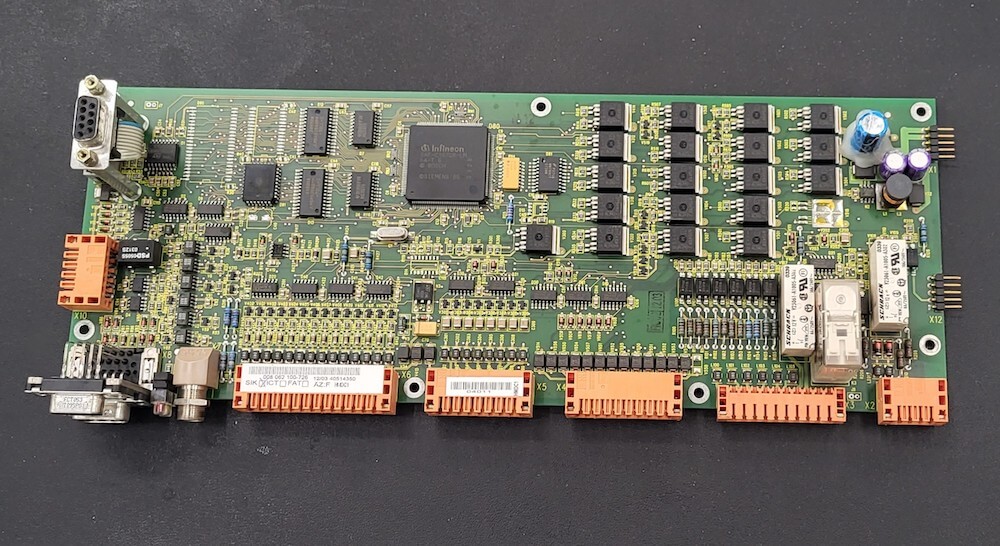
Over the term of the overhaul TP Matrix Ltd have monitored a trend of failures in the communications circuitry. In collaboration with our customer, we offered a solution to this issue which, once approved, reduced the failure rate significantly. This was subsequently incorporated into the overhaul and repair projects. TP Matrix Ltd continuously strives to improve the lifespan of our customers’ products and endeavours to offer continuous improvement to enable this to happen.
Conclusion
TP Matrix’s diligent investigation into the thermal incidents of the Door Control Units showcases our technical expertise and commitment to safety. Through a combination of meticulous analysis, innovative redesign, and strategic implementation, we are successfully resolving the issues, ensuring the continued safe and reliable operation of vehicles for our customer.